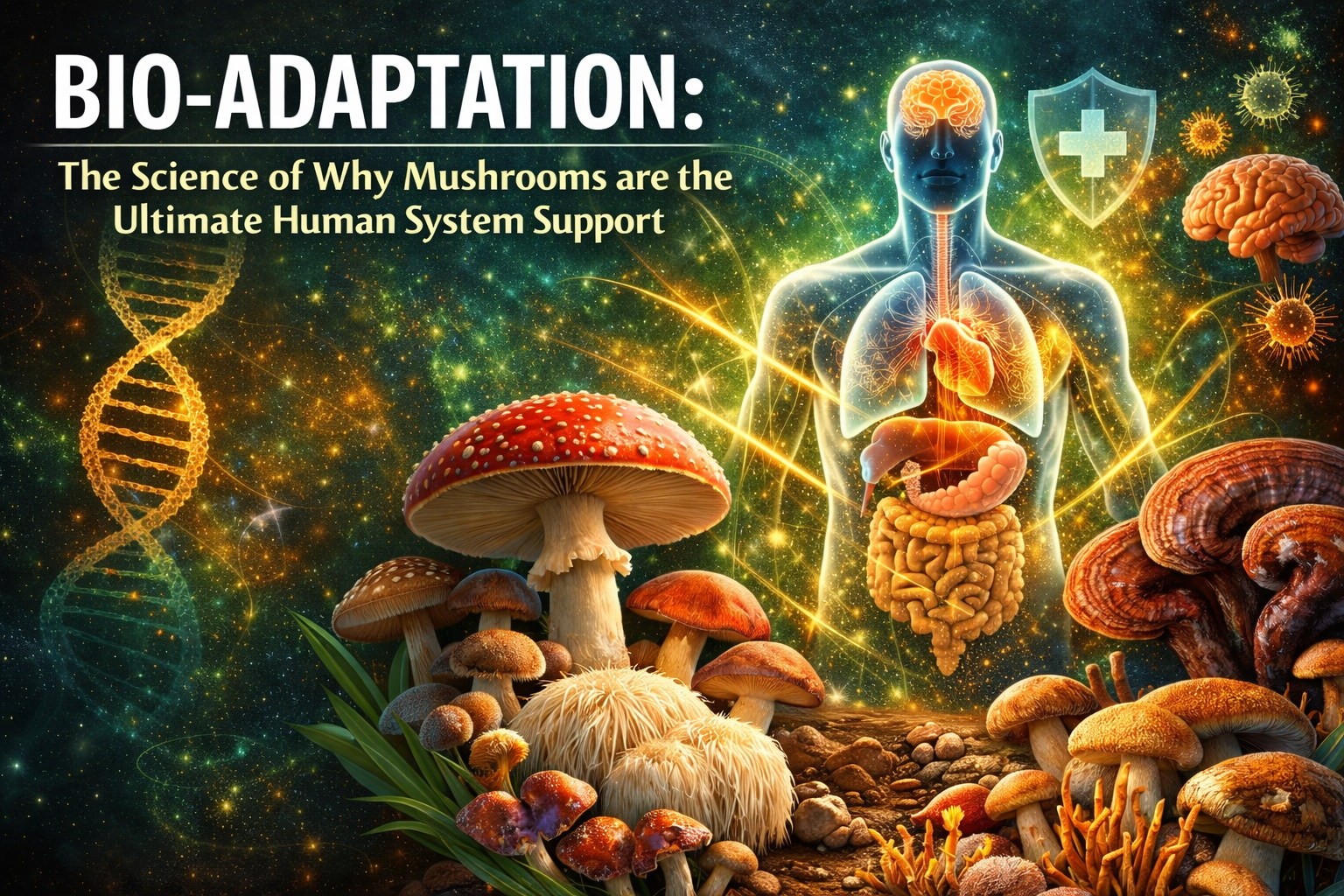
 The present health market shows changes in its three segments, which include supplements, wellness practices, and productivity patterns. People are no longer just looking for something that works fast; they are searching for solutions which provide deep results.
The therapeutic properties of medicinal mushrooms provide a distinct advantage over other treatments. These substances have been present throughout history as different societies have utilized them to build their immune systems, strengthen their bodies, and gain energy. Current research now explains the reasons behind ancient usage methods.
The existing explanations about medicinal mushrooms provide basic information which says they boost immunity and enhance focus according to present-day knowledge. The oversimplified presentation of their actual characteristics creates confusion about their unique effects, which differ from typical dietary supplements. A proper understanding of them requires you to answer two fundamental questions: their identity and their operational patterns.
What Medicinal Mushrooms Actually Are
Medicinal mushrooms are fungi which contain active biological substances that can affect human body systems through their interactions. The definition appears simple, yet it holds vital meaning because they function beyond their role as nutrient providers.
Most foods you consume play a supportive role. The body requires energy, vitamins, and structural components, which they deliver. Medicinal mushrooms provide additional benefits through their compounds. The body processes require control through compounds that medicinal mushrooms possess, which affect how body functions proceed.
The systems involved include:
- Immune signaling
- Stress response
- Inflammation control
- Cellular repair mechanisms
The particular effects become more complicated through their multiple bioactive compounds in medicinal mushrooms which operate different biological processes. The essential components include:
- β-glucans: These bind with immune cell receptors to control how the immune system recognizes and responds to dangerous situations.
- Triterpenes: These oversee the pathways that produce inflammation together with the biochemical signals related to stress.
- Antioxidant compounds: These shield cells against oxidative harm while preserving their stability throughout an extended period.
Each element possesses its own distinct function, and the elements combine to establish a working system. Medicinal mushrooms function as functional foods because they contain biological benefits that exceed standard food attributes. Their chemical properties position them between nutritional value and drug effectiveness because they have insufficient power to function as medications. The surface comprehension of the material becomes challenging because of its specific organizational structure.
Why Mushrooms are Biologically Different?
The different effects of medicinal mushrooms compared to typical foods and supplements require natural fungal behaviors as the basis for their explanation.
Fungi generate their energy through different methods because they do not harness sunlight for photosynthesis like plants do. Fungi exhibit different behavior from animals because they consume food without internal digestive processes. Fungi use externalized digestion because they release enzymes into their surroundings to decompose organic materials which they then use as food. The existence of this one distinction leads to a complete transformation of everything that exists.
Mushrooms need their surroundings to stay alive, facing continuous contact with:
- Bacteria and competing fungi
- Environmental toxins
- Fluctuating temperatures and moisture
- Limited nutrient availability
The conditions of their environment compel them to rely on chemical processes for survival. They develop specialized compounds that enable them to establish two functions that assist in preserving their basic functions. The essential compounds exist because they function as vital elements needed to sustain life. Fungi developed their chemical systems into sophisticated systems through millions of years of time, which allowed them to endure these environmental challenges.
Medicinal mushrooms release their active compounds when humans consume them. While the compounds serve the fungus, they affect human biological pathways, which have similar functions to natural processes that evolved through time.
For example:
- Fungal cells use specific compounds to shield themselves from oxidative damage, which also protects human cells from similar types of stress.
- Fungal cells use a specific compound to control their defense mechanisms against environmental hazards, which also affects human immune response mechanisms.
This is why medicinal mushrooms produce effects that extend beyond specific areas; their active components affect essential biological mechanisms instead of specific bodily activities.
Why Mushrooms Are Biologically Different
The different effects of medicinal mushrooms compared to typical foods and supplements require natural fungal behaviors as the basis for their explanation.
Fungi generate their energy through different methods because they do not harness sunlight for photosynthesis like plants do. Fungi exhibit different behavior from animals because they consume food without internal digestive processes. Fungi use externalized digestion because they release enzymes into their surroundings to decompose organic materials which they then use as food. The existence of this one distinction leads to a complete transformation of everything that exists.
Mushrooms need their surroundings to stay alive, which means they face continuous contact with:
- Bacteria and competing fungi
- Environmental toxins
- Fluctuating temperatures and moisture
- Limited nutrient availability
The conditions of their environment force them to base their survival on chemical processes for adaptation. They develop specialized compounds which enable them to establish two functions that assist in preserving their basic functions. The essential compounds exist because they function as vital elements needed to sustain life. Fungi developed their chemical systems into sophisticated systems through millions of years of time which allowed them to endure these environmental challenges.
Medicinal mushrooms release their active compounds when humans consume them. The compounds have no human health benefits, but they affect biological pathways which have similar functions to natural processes that evolved through time.
The following example demonstrates this concept:
- Fungal cells use specific compounds to shield themselves from oxidative damage, which also protects human cells from similar types of stress.
- Fungal cells use a specific compound to control their defense mechanisms against environmental hazards, which also affects human immune response mechanisms.
This is why medicinal mushrooms produce effects that extend beyond specific areas because their active components affect essential biological mechanisms instead of specific bodily activities.
How Their Compounds Translate Into Real Effects
The body processes medicinal mushrooms through different pathways which produce multiple effects instead of the single result which is typical for dietary supplements. The different compounds that make up the product interact with various systems to produce their effects. People need to observe compound group behavior because it provides essential information to understand the situation.
Beta-glucans: Shaping Immune Response
Immune cells have specific receptors that recognize beta-glucans. The immune system reacts when these receptors discover beta-glucans because they activate particular signaling pathways. Alerting the immune system through beta-glucans only works to begin the process. The immune system needs to be controlled according to its function.
The following conditions exist:
- The system can increase its effectiveness when immune responses reach their lowest point.
- The system uses its capacity to decrease excessive immune responses when immune activity reaches its highest point.
Direct immune stimulants produce more intense effects because their mechanism of action creates immediate results. The immune system regulation functions through system control, which ensures consistent effects between different treatment methods.
Triterpenes: Controlling Intensity and Stress Signaling
The detection and response processes of beta-glucans face interference from their effects, whereas triterpenes function as regulatory elements. The substances interact with pathways that control both inflammation and stress signaling processes.
The system operates through three main functions which handle various tasks:
- The first function works to eliminate existing low-level inflammation.
- The second function controls how the body reacts to stress by processing incoming stress signals.
- The third function helps the body maintain balance by supporting its detoxification and balance maintenance mechanisms.
The body uses beta-glucans to determine its response time, while triterpenes control the reaction strength.
Antioxidant Systems: Long-term Cellular Stability
Every biological system produces reactive molecules as a metabolic byproduct. These molecules develop into harmful agents that target cells, proteins and DNA after a period of time. This condition represents the state of oxidative stress.
The compounds in medicinal mushrooms work to protect against this damage. The compounds exist as part of a larger system, which includes both antioxidant properties and anti-inflammatory and immune-regulating functions. The system delivers continuous protection through its consistent operation instead of providing temporary boosts in antioxidant protection.
Why the Effects Feel Subtle but Go Deeper
The common question at this moment is why medicinal mushrooms fail to produce strong immediate effects when these compounds demonstrate high activity. Body interaction establishes the answer to this question.
Most substances that act quickly create their effects because they force the body to follow a particular path. The system develops strength because its components produce strong effects that last for a short time period. The medicinal mushrooms from nature create their effects through gradual changes that they bring to the human body’s functions. The system controls various processes that use chemical signals to transmit signals while maintaining stability throughout the entire period.
The effects produce results through two main processes, which reveal themselves as follows:
- Effects develop slowly through time while spreading through the body.
- Their effects create calming effects that need time to develop.
The situation shows itself through two main results: people experience energy drops less frequently while they discover their ability to handle stress better, and their immune system functions with greater regularity. People experience small yet important changes which help them concentrate better and recover faster. The process needs time to show its complete results because it develops gradually throughout a lengthy period.
Why One Input Can Affect Multiple Systems
The assumption that one food type affects four different systems at once is based on people viewing these systems as independent entities. However, these systems are interconnected because they need to work together for proper functioning.
The interconnected nature of the body involves several links:
- The immune system controls the process of inflammation.
- Inflammation disrupts brain function while reducing energy levels.
- The gut microbiome controls both immune processes and the creation of neurotransmitters in the body.
- Stress hormones control all those systems at the same time throughout the body.
The medicinal mushrooms connect with essential elements of this system because their medicinal properties spread beyond their primary location. People experience different main effects from this condition because their bodies contain different types of existing imbalances.
From Entry to Interaction: Where the Process Actually Begins
Once medicinal mushrooms are consumed, their journey through the body starts with recognition instead of starting with absorption. This distinction is important because most people believe that something must enter their bloodstream to produce effects. The most essential interactions with mushrooms actually begin at their first entry into the digestive system.
Digestion Is Partial, Not Complete
The bioactive compounds present in medicinal mushrooms, including beta-glucans, show resistance to digestive enzyme breakdown because their structural integrity remains intact. The structural resistance of this material functions as its primary characteristic which enables it to operate in an entirely different mode of operation.
These intact compounds maintain their biological identity as they progress through the gut instead of transforming into fundamental nutrients. The body treats these substances as assessment material rather than as energy sources; the body uses these substances to gather information about its nutritional requirements.
The Gut Is Not Passive, It’s a Control Interface
The environment they enter at this moment represents a more intricate system than a single digestive tract. The gut houses immune cells together with signaling pathways and a rich microbiome which functions as a decision-making system that connects external stimuli with internal bodily processes.
The two processes begin as medicinal mushroom compounds traverse this environment:
- Microbial Interaction: The specific compounds function as food sources for helpful bacteria which enable their development and functioning. Bacteria use the compounds to create metabolic byproducts which affect inflammation, metabolic processes, and brain communication. The mushrooms create a direct effect on the microbiome which then produces an indirect effect on the entire body system.
- Immune Recognition: The gut lining immune cells detect these compounds through their specific receptor systems. The process of recognition triggers a response that does not follow common defense patterns. The process begins with the system to activate controlled pathways which lead to specific immune system reactions.
Internal Processing: How the Body Decides What Happens Next
The process of absorption together with internal processing begins after the gut’s first interactions because this stage requires precise oversight throughout its operation.
Absorption Is Selective, Not Uniform
The bloodstream does not absorb all compounds which exist in the body. The movement of substances through the body already leads to their final result because various substances affect different body systems based on their distribution.
- Intestinal Retention: Some substances maintain their presence in the intestine to interact with nearby tissues.
- Altered States: Other compounds enter the body through their altered states.
- Systemic Entry: The substances that successfully enter the bloodstream proceed to the liver, which initiates an additional stage of their processing.
The Liver Reshapes the Outcome
The liver operates as a control mechanism rather than a purification system. The liver processes mushroom compounds through three different methods:
- Activation: Transforming compounds into their biologically active forms.
- Transformation: Reshaping original substances into different compounds through natural chemical processes.
- Elimination Prep: Preparing metabolites for eventual removal from the body.
The transformation stage of medicinal mushrooms demonstrates that their effects develop over time. The body needs time to establish its response because it requires gradual processing of these compounds. The process progresses at a specific pace which depends on:
- Metabolic rates
- Health status
- Current bodily conditions
- Ongoing administration through consecutive doses
System-Level Effects: Where the Changes Become Noticeable
The compounds start their interaction with environmental systems after their processing and distribution. The compounds impact regulatory networks which serve as connections between multiple systems that operate in different ways.
Immune Function Becomes More Coordinated
The first signals from the gut, together with bodywide connections, enhance immune cell communication and their response capabilities. Medicinal mushrooms help the system function at its optimal level through the following outcomes:
- Inflammation Control: The body experiences less excessive inflammation.
- Threat Response: The body responds better to genuine danger.
- Homeostasis: The system achieves improved control between its activation and its inhibition.
Neurological Effects Emerge Indirectly
The effects of medicinal mushrooms which function as non-stimulants extend to brain activities. Brain function is affected by three interconnected pathways:
- Decreased inflammation
- Better gut signaling
- Stress response improvements
This leads to three different outcomes which include better thinking abilities, decreased mental tiredness, and improved concentration abilities. The effects develop gradually because users must continue using the product before they will observe results.
Energy Regulation Shifts Toward Stability
The shift in energy levels functions through consistent system support rather than temporary stimulation. This stabilization is achieved through:
- Sustained Signaling: Maintaining chemical signals that transmit information while preserving stability.
- Metabolic Balance: Supporting the pathways that regulate how energy is distributed across the day.
- Reduced Fluctuations: Creating a state where energy drops occur less frequently.
Why the Effects Build Over Time and Differ Between Individuals
The pattern now reaches its evident point because medicinal mushrooms achieve their effects through progressive accumulation together with body equilibrium modifications. The body establishes its equilibrium through repeated contact which activates the same pathways until it develops new methods of responding.
The effects experienced by individuals exhibit variability based on:
- Microbiome Diversity: Distinct microbiome compositions affect how compounds are broken down.
- Baseline Stress: Existing levels of inflammation and stress determine the starting point of the response.
- Metabolic Function: Unique metabolic rates change how quickly compounds are processed and utilized.
The body’s existing condition determines how the compounds show their effects because their chemical composition remains identical. This is why the first benefits might appear as immune support for one person, while another experiences improved focus or overall resilience.
How Different Medicinal Mushrooms Actually Help You
Medicinal mushrooms are often grouped together under broad categories like immunity or wellness, but this kind of grouping hides the most important detail, which is the direction and depth of their biological influence.
Each mushroom contains a distinct profile of polysaccharides, beta-glucans, triterpenes, and other secondary compounds. These compounds determine how the mushroom interacts with the body’s regulatory systems:
- Immune Signaling: Some compounds are more active in directing defense responses.
- Neurological Pathways: Others influence brain structure and signaling.
- Metabolic Processes: Certain elements affect how the body handles energy and cellular repair.
Types of Medicinal Mushrooms
Medicinal mushrooms are often grouped under broad categories like “immunity,” but this hides the most important detail: the direction and depth of their biological influence. Each mushroom contains a distinct profile of polysaccharides, beta-glucans, and triterpenes that determine how it interacts with the body’s regulatory systems.
Lion’s Mane: Structural Support for Cognitive Function
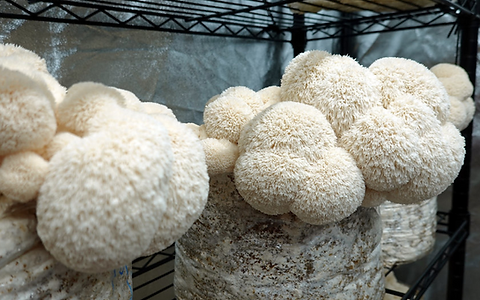
Lion’s Mane is one of the most neurologically active mushrooms, but it does not act as a quick stimulant. Instead, it works at a structural level within the nervous system.
- The Mechanism: It contains unique compounds called hericenones and erinacines, which are among the few natural substances capable of crossing the blood-brain barrier. They are associated with stimulating Nerve Growth Factor (NGF), a protein essential for the maintenance, repair, and regeneration of neurons.
- Noticeable Benefits:
- Sustained Focus: Improved concentration during mentally demanding tasks without the “crash” of stimulants.
- Memory Support: Better recall and retention through the support of neural pathways.
- Mental Clarity: A significant reduction in “brain fog” and mental inconsistency over time.
- Best Suited For: * Students and knowledge workers managing heavy mental workloads.
- Individuals experiencing frequent brain fog or mental fatigue.
- Those focused on long-term cognitive health and neuroprotection.
- Creative professionals requiring sustained “deep work” states.
Reishi: System-Wide Regulation Through Stress Modulation
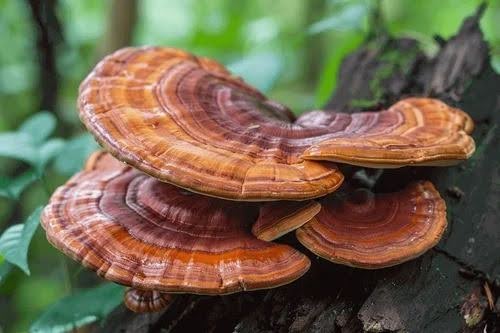
Known as the “Mushroom of Immortality,” Reishi works as a high-level regulator rather than a performance enhancer. Its main role is to influence how the body responds to stress.
- The Mechanism: Reishi is rich in triterpenes, which interact with the pathways controlling inflammation and stress signaling (the HPA axis). When the body is under chronic stress, Reishi helps down-regulate overactive signals, bringing the system back to a stable equilibrium.
- Noticeable Benefits:
- Emotional Stability: A calmer mental state and reduced overthinking.
- Sleep Quality: Improved ability to fall asleep and stay asleep by lowering internal tension.
- Hormonal Balance: Better recovery from burnout and adrenal fatigue.
- Best Suited For: * People dealing with chronic stress, burnout, or “high-strung” lifestyles.
- Individuals with poor sleep patterns or difficulty “switching off” at night.
- Those who feel constantly overwhelmed or emotionally reactive.
- Anyone needing to restore internal balance after a high-cortisol period.
Cordyceps: Enhancing Cellular Energy Efficiency
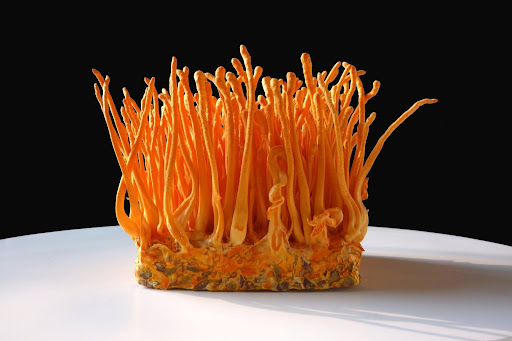
Cordyceps focuses on energy at its source: the cell. Unlike caffeine, it does not “borrow” energy from the nervous system; it helps the body produce it more effectively.
- The Mechanism: It is associated with increased ATP (adenosine triphosphate) production, which is the primary energy currency of our cells. It also improves oxygen utilization (VO2 max), making physical and mental exertion feel less taxing.
- Noticeable Benefits:
- Physical Stamina: Increased endurance during exercise or physically demanding work.
- Consistent Vitality: A steady flow of energy throughout the day without spikes or crashes.
- Respiratory Support: Better breath efficiency and reduced fatigue during long activities.
- Best Suited For: * Athletes and fitness enthusiasts looking for a natural edge.
- Physically active individuals with demanding daily routines.
- People struggling with low daily energy or afternoon fatigue.
- Those looking to reduce their dependence on caffeine and stimulants.
Chaga: Cellular Protection and Long-Term Stability

Chaga operates at a foundational level. It is essentially a “biological shield” that protects the body from the wear and tear of modern environments.
- The Mechanism: Chaga has one of the highest antioxidant concentrations in the natural world (including Superoxide Dismutase or SOD). It neutralizes free radicals to reduce oxidative stress, which is the primary driver of cellular aging and chronic inflammation.
- Noticeable Benefits:
- Immune Resilience: A stronger foundation for the immune system to resist environmental stressors.
- Skin and Cellular Health: Protection against damage caused by UV rays and pollution.
- Systemic Stability: Improved overall stability in how the body feels and ages.
- Best Suited For: * Individuals focused on longevity, anti-aging, and long-term wellness.
- People living in high-pollution urban areas or harsh environments.
- Those wanting to build a strong “biological shield” against aging.
- Anyone managing low-level, systemic inflammation.
Turkey Tail: Strengthening the Gut and Immune Connection

Turkey Tail works at the critical intersection of the digestive and immune systems. Since roughly 70-80% of immune cells reside in the gut, this mushroom has a massive ripple effect.
- The Mechanism: It contains powerful protein-bound polysaccharides known as PSK and PSP. These act as prebiotics, feeding the beneficial bacteria in the microbiome, while simultaneously sharpening the immune system’s ability to recognize and respond to threats.
- Noticeable Benefits:
- Digestive Comfort: Better digestion and a reduction in chronic bloating.
- Immune Intelligence: A more “organized” immune response that is active when needed but calm when not.
- Gut Microbiome Balance: Support for a healthy internal environment.
- Best Suited For: * People with chronic digestive sensitivities or microbiome imbalances.
- Individuals with a history of weaker immunity or frequent seasonal illness.
- Those recovering from illness who need to rebuild their system.
- Anyone looking to optimize the core relationship between gut and defense.
Shiitake: Bridging Everyday Nutrition with Functional Benefits
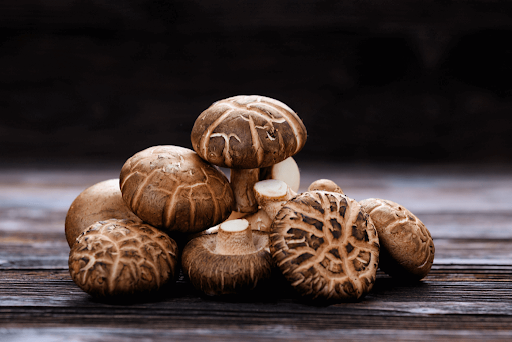
Shiitake is a versatile entry point into the world of fungi, offering a perfect balance of nutritional value and functional compounds.
- The Mechanism: Beyond its vitamins and minerals, Shiitake contains lentinan, a polysaccharide that supports immune function and cardiovascular health. It helps maintain healthy cholesterol levels and supports the integrity of blood vessels.
- Noticeable Benefits:
- Daily Vitality: General reinforcement of the body’s natural defenses.
- Heart Health: Support for healthy circulation and metabolic function.
- Nutritional Boost: Essential B-vitamins and minerals in a bioavailable form.
- Best Suited For: * Beginners who are new to exploring medicinal mushrooms.
- Individuals looking for gentle, daily maintenance and heart support.
- Those who prefer a food-based, natural approach to wellness.
- People wanting to add functional density to a standard healthy diet.
Maitake: Supporting Metabolic Balance and Energy Stability
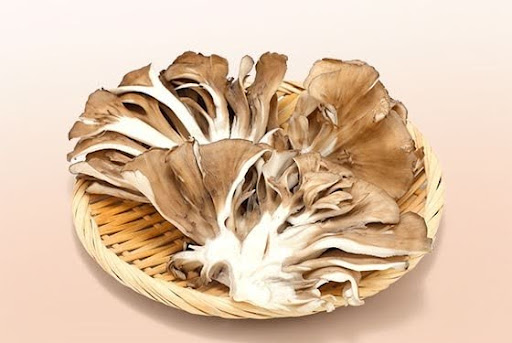
Maitake is a powerhouse for metabolic health, specifically influencing how the body manages its “fuel.”
- The Mechanism: It contains D-fraction polysaccharides that have been shown to improve insulin sensitivity. By helping the body regulate blood sugar more effectively, it prevents the drastic fluctuations that lead to energy crashes and sugar cravings.
- Noticeable Benefits:
- Metabolic Stability: Fewer “post-meal crashes” and more stable appetite control.
- Weight Management Support: Aiding the body’s natural ability to process fats and sugars.
- Immune Support: Like all medicinal mushrooms, it provides a strong secondary benefit to the immune system.
- Best Suited For: * Individuals with fluctuating energy levels or “sugar crashes.”
- Those focused on metabolic health and weight management support.
- People who struggle with energy-related fatigue throughout the day.
- Anyone looking to stabilize their appetite and glucose response.
Ultimately, the effectiveness of these functional fungi depends on consistent use and an understanding that they work through gradual accumulation to create a more resilient and balanced internal environment.
Quick comparison table
The following comparison provides a quick overview of how each species uniquely interacts with your body’s internal systems to help you choose the right support for your specific goals.
| Mushroom | Primary Focus | Effect Style | Best For |
| Lion’s Mane | Brain and cognition | Gradual and structural | Focus, memory |
| Reishi | Stress and recovery | Calming and regulatory | Stress, sleep |
| Cordyceps | Energy and endurance | Stable and sustained | Stamina |
| Chaga | Cellular protection | Long-term and subtle | Immunity |
| Turkey Tail | Gut and immunity | Foundational | Digestion |
| Shiitake | Nutrition and immunity | Balanced | Daily Health |
| Maitake | Metabolism | Stabilizing | Energy balance |
Why “How You Take Them” Matters More Than You Think
Once you understand what each medicinal mushroom does, the next step is learning how to actually use them. This is where most people go wrong. It’s easy to assume that simply taking a supplement is enough, but the reality is that form, quality, absorption, and consistency all directly affect your results.
Two people can take the same mushroom and experience completely different outcomes, not because the mushroom works differently, but because:
- One is using a properly extracted form.
- The other is consuming something the body cannot fully absorb.
Forms of Medicinal Mushrooms and Why They Are Not Equal
The form you choose determines how much of the active compounds your body can actually use. Not all products are created the same.
Raw Powder
This is the most basic form, where mushrooms are simply dried and ground.
- The Problem: Mushroom cell walls are made of chitin, a tough compound that the human body cannot fully break down.
- The Result: A significant portion of the beneficial compounds remains inaccessible. While they provide some benefits over time, they are generally less efficient than extracts.
Extracts
Extracts are processed to break down the tough chitin walls and release bioactive compounds. There are usually two types:
- Water Extracts: These pull out beta-glucans.
- Alcohol Extracts: These extract triterpenes and other non-water-soluble compounds.
- Dual Extraction: High-quality products combine both methods to capture a broader range of active compounds, significantly improving absorption.
Capsules, Teas, and Tinctures
- Capsules: Effectiveness depends entirely on whether they contain raw powder or extract.
- Teas: Hot water helps extract certain compounds, making them more bioavailable than raw powder.
- Tinctures: These are concentrated and fast to absorb, but must be properly formulated to include a full range of compounds.
Dosage and Consistency: Why More Is Not Always Better
One of the biggest misconceptions is that higher doses lead to better results. With medicinal mushrooms, taking too much does not speed up the process.
The Role of Consistency
Consistency matters more than quantity. Taking a moderate amount daily allows for:
- Repeated interaction with the gut and immune system.
- Gradual improvement in internal balance.
- Cumulative effects that become noticeable over several weeks.
Finding the Right Amount
Instead of focusing on maximum dosage, it is better to start with a moderate, consistent intake and observe how your body responds. The goal is stability, not intensity.
Timing: When You Take Them Can Change the Experience
Timing is not about strict rules, but about aligning the mushroom with the natural rhythm of your day.
- Morning Use: Mushrooms like Cordyceps and Lion’s Mane are better suited for earlier in the day to align with energy production and mental clarity.
- Evening Use: Reishi is commonly used in the evening to support relaxation, stress reduction, and sleep quality.
- Flexible Timing: Chaga and Turkey Tail are less dependent on timing and can be taken at any point.
Combining Mushrooms: When and Why It Makes Sense
Since these mushrooms act on different pathways rather than competing with each other, combinations can cover multiple areas at once.
Simple Effective Combinations:
- Lion’s Mane + Cordyceps: Focus + energy (useful for productivity).
- Reishi + Chaga: Stress reduction + long-term protection.
- Turkey Tail + Maitake: Gut health + metabolic support.
How to Start:
It is usually better to start with one or two mushrooms to understand how your body responds before building complex combinations. This prevents confusion and helps identify what is actually working for your system.
Common Mistakes That Reduce Results
Even high-quality mushrooms can feel ineffective if used incorrectly. Beyond the basics, several technical and lifestyle factors can prevent you from seeing the deep results these fungi are capable of providing.
1. Choosing Mycelium-on-Grain Over Fruiting Bodies
Many commercial products are not made from the actual mushroom (the fruiting body), but from the mycelium (the root-like structure) grown on a sterilized grain like rice or oats.
- The Problem: When the mycelium is harvested, the grain it grows on is ground up with it. This results in a product high in starch and fillers rather than the concentrated medicinal compounds found in the mushroom itself.
- The Fix: Check labels for “100% Fruiting Body” and avoid products that list “mycelium,” “myceliated rice,” or “grain” in the ingredients.
2. Relying on Vague “Polysaccharide” Claims
Polysaccharides are a broad category of carbohydrates that include everything from medicinal beta-glucans to simple potato starch.
- The Problem: Companies often tout a “high polysaccharide count” to hide the fact that most of that percentage is just starch from grain fillers.
- The Fix: Look for products that specifically state the Beta-Glucan percentage (e.g., “Contains >25% Beta-Glucans”). This is the gold standard for measuring actual potency.
3. Using Only Single-Extraction for All Mushrooms
Different compounds require different “keys” to be unlocked from the mushroom’s tough cell walls.
- The Problem: Using only a hot-water extract is fine for Lion’s Mane or Turkey Tail (which are rich in water-soluble beta-glucans), but it fails for Reishi and Chaga. These mushrooms contain triterpenes that only dissolve in alcohol.
- The Fix: Ensure your Reishi or Chaga supplements use Dual Extraction (water + alcohol) to provide the full spectrum of benefits.
4. Expecting a “Caffeine-Like” Spark
Many people treat Cordyceps or Lion’s Mane like a cup of coffee, expecting an immediate “hit” of energy or focus.
- The Problem: Medicinal mushrooms are adaptogens, not stimulants. They work by modulating internal systems (like ATP production or nerve growth factor) rather than forcing a temporary spike in the nervous system.
- The Result: Users often stop taking them after three days because they don’t “feel” anything, missing the cumulative benefits that usually peak after 2 to 4 weeks of consistent use.
5. Consuming with High-Interference Foods
What you eat alongside your mushrooms can impact how well the compounds are recognized by your gut.
- The Problem: Highly processed foods or excessive sugar can cause gut inflammation that disrupts the “control interface” where mushroom recognition happens. Some research also suggests that excessive caffeine may interfere with the absorption of certain fungal nutrients.
- The Fix: For best results, take your supplements with a light meal or in a simple tea/coffee, avoiding high-sugar or heavily processed snacks at the same time.
6. Ignoring the “Mushroom-to-Extract” Ratio
Not all extracts are equally concentrated. A “1:1” extract is much less potent than a “10:1” extract.
- The Problem: A low-ratio extract may require you to take much more of the product to reach a therapeutic dose.
- The Fix: Pay attention to the concentration ratio. A high-quality dual extract is often concentrated at 8:1 or higher, meaning 8kg of mushrooms were used to create 1kg of powder.
7. Lack of Third-Party Testing
Mushrooms are highly absorbent and can soak up toxins, pesticides, and heavy metals from the soil or substrate they are grown in.
- The Problem: Without testing, you may be ingesting lead, arsenic, or mold alongside your health supplement.
- The Fix: Only buy from brands that provide a Certificate of Analysis (COA) from an independent lab, verifying the product is free from contaminants and contains the advertised levels of active compounds.
Who Should Avoid or Be Cautious With Medicinal Mushrooms
While medicinal mushrooms are generally safe for the majority of people, they are biologically active organisms that interact with your internal chemistry. Professional guidance is especially important for the following groups:
1. Autoimmune Conditions and Immune Overactivity
Medicinal mushrooms like Reishi, Turkey Tail, and Chaga are immunomodulators. This means they can stimulate or “wake up” certain immune responses.
- The Risk: In autoimmune conditions (like Lupus, Multiple Sclerosis, or Rheumatoid Arthritis), the immune system is already attacking the body. Enhancing immune signaling may unintentionally worsen these symptoms or lead to a “flare-up.”
- Guidance: Professional supervision is required to ensure the mushroom doesn’t counteract the management of the condition.
2. Individuals on Immunosuppressant Medications
If you are taking medication to intentionally suppress your immune system (common after organ transplants or for specific chronic diseases), medicinal mushrooms may be counterproductive.
- The Risk: Because mushrooms like Turkey Tail can strengthen immune cell communication, they may interfere with the medication’s ability to keep the immune system quiet.
3. Bleeding Disorders and Blood-Thinning Medication
Some species, particularly Reishi and Chaga, contain compounds that may inhibit platelet aggregation (clotting).
- The Risk: This can potentially increase the risk of bruising or bleeding if you are already taking anticoagulants (like Warfarin or Aspirin) or if you have a clotting disorder.
- Surgical Precaution: Most practitioners recommend stopping medicinal mushroom use at least two weeks prior to a scheduled surgery to prevent any impact on blood clotting during or after the procedure.
4. Diabetes and Blood Sugar Medications
Mushrooms like Maitake are excellent for supporting insulin sensitivity and lowering blood glucose naturally.
- The Risk: If you are already taking prescribed medication for diabetes (like Metformin or Insulin), the combination could cause your blood sugar to drop too low (hypoglycemia).
- Monitoring: Close monitoring of glucose levels is necessary when introducing metabolic-active mushrooms.
5. Pregnancy and Breastfeeding
Due to a lack of long-term clinical trials on pregnant or lactating individuals, this is considered a precautionary category.
- The Risk: The body undergoes significant hormonal and immune shifts during this time. Without specific safety data, it is best to avoid them or consult with a healthcare provider to ensure there is no risk to the baby.
6. Mushroom Allergies and Fungal Sensitivities
This is the most direct contraindication. If you have a known allergy to culinary mushrooms or mold/yeast, you should avoid medicinal mushroom supplements.
- The Risk: Reactions can range from skin rashes and digestive upset to respiratory distress.
7. Chronic Low Blood Pressure (Hypotension)
Species like Reishi have a known calming effect on the nervous system and can subtly lower blood pressure.
- The Risk: For individuals who already struggle with very low blood pressure, dizziness, or fainting spells, these mushrooms might cause a further drop, leading to increased fatigue or lightheadedness.
8. Specific Organ Health Concerns (Kidneys and Liver)
While rare, certain mushrooms in their raw or poorly extracted forms can be heavy on the digestive and filtration systems.
- Oxalates: Chaga, for example, is high in oxalates. For individuals prone to kidney stones, high doses of Chaga may increase the risk of stone formation.
- Purity: Low-quality extracts may contain heavy metals from the soil they were grown in, which can put unnecessary stress on the liver and kidneys.
9. Hormone-Sensitive Conditions
Some medicinal mushrooms may have mild effects on hormone pathways (such as Cordyceps and its influence on testosterone or Reishi and its influence on DHT).
- The Risk: If you have a condition that is sensitive to hormone levels (such as certain types of breast or prostate cancers), you should discuss use with an oncologist to ensure the mushroom doesn’t interfere with your hormonal balance.
Conclusion: Bringing Everything Into Perspective
Medicinal mushrooms are often misunderstood because they are expected to behave like quick solutions, when in reality they function as long-term biological support systems.
Each mushroom works through a different pathway:
- Cognitive Function: Supporting neural structure and clarity.
- Stress & Sleep: Regulating hormonal and inflammatory responses.
- Energy & Metabolism: Improving cellular efficiency and glucose stability.
- Immunity & Digestion: Strengthening the gut-immune interface.
None of these work in isolation. They interact with your internal systems to support how the body already functions naturally. When you shift your focus away from immediate results and toward consistency, you allow these mushrooms to support the long-term stability required to manage the stresses of modern life.
Frequently Asked Questions (FAQs)
1. Are medicinal mushrooms actually effective or just a trend?
Medicinal mushrooms are not a new trend; they have been utilized for centuries in traditional systems of medicine. They have gained recent popularity due to modern research into their bioactive compounds. Their effectiveness depends on consistency, quality, and proper usage rather than expecting instant results. They work gradually by supporting internal biological systems.
2. How long does it take to see results?
Most people do not notice immediate effects. While subtle changes may appear within a few weeks, more stable and noticeable benefits usually develop after consistent use over 3 to 8 weeks. The exact timeline varies depending on the specific mushroom and an individual’s unique lifestyle and metabolic rate.
3. Can I take more than one medicinal mushroom at the same time?
Yes, many mushrooms can be combined because they work on different systems in the body. For example, Lion’s Mane can support cognitive function while Reishi supports stress balance.
- Pro Tip: It is better to start with one or two mushrooms first to understand how your body responds before building complex combinations.
4. Are there any side effects?
Most medicinal mushrooms are considered safe for general use when taken in appropriate amounts. However, some individuals may experience:
- Mild digestive discomfort.
- Initial sensitivity to new bioactive compounds.
- The quality and purity of the product also play a major role in tolerance and effectiveness.
5. What is the best way to take them for maximum benefit?
Extracts are generally considered more effective than raw powders because they improve bioavailability by breaking down the mushroom’s tough cell walls. Furthermore, consistency is more important than dosage; taking them daily over time tends to produce significantly better results than irregular high doses.
6. Can medicinal mushrooms replace supplements or medicine?
No. Medicinal mushrooms are not replacements for prescribed medication or a complete nutritional plan. They are best viewed as supportive tools that enhance the body’s natural functions rather than as treatments for specific diseases.
7. Which medicinal mushroom should a beginner start with?
This depends entirely on your primary goal:
- Lion’s Mane: Best for focus and mental clarity.
- Reishi: Best for stress management and sleep quality.
- Cordyceps: Best for physical energy and stamina.
Beginners usually start with one mushroom that matches their most immediate need before exploring broader combinations.
8. Do medicinal mushrooms work immediately after taking them?
No, they are not fast-acting substances like caffeine or stimulants. Their effects are cumulative, meaning they build gradually as the body adapts and responds over time. This is why daily consistency is the most important factor in seeing the process through to completion.